There is no provision for ‘expired food’ in the current South African Labelling Regulations.
The regulations do however dictate that all foodstuff have a clearly indicated date marking on the label.
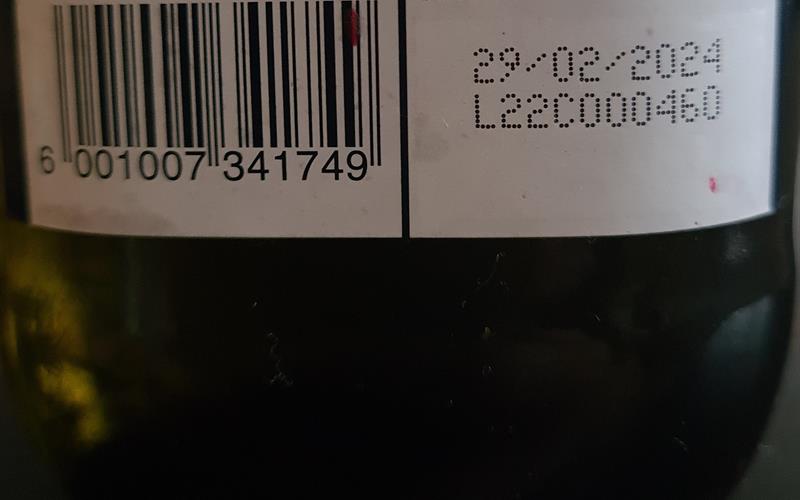
The only exceptions are unprocessed, unpacked fresh fruits/vegetables/fish/ meat products and products that by nature do not spoil, such as vinegar.
Generally, South African consumers will be faced with three different date descriptions:
• ‘Best Before’, which generally applies to foods that do not require refrigeration (canned goods, rice, pasta, cereal, biscuits etc.)
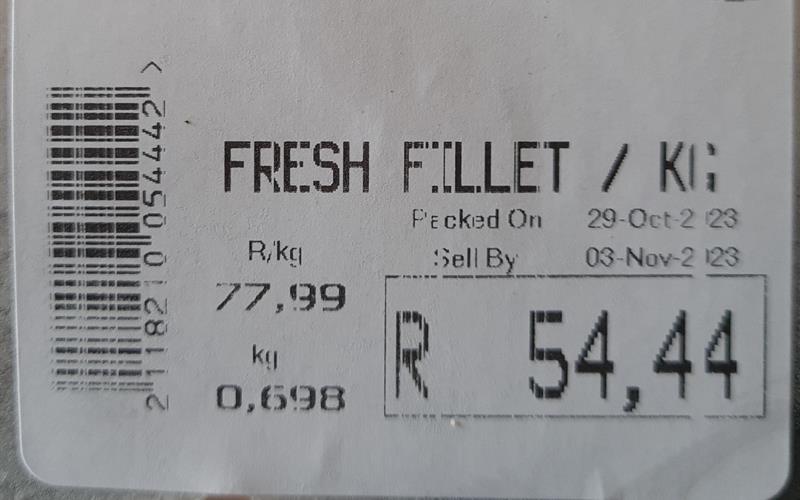
• ‘Sell By’, which is the date by which it should leave the store, but will still be safe for a reasonable period of time after
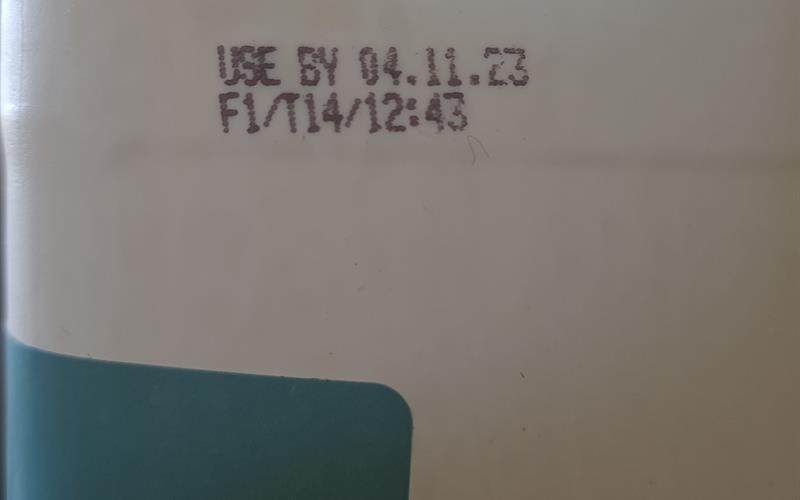
• ‘Use By’, which is the most critical, and generally applies to meat, dairy or any other product that requires refrigeration. This date means that even if the fresh product was kept in the fridge at the required temperatures, the product is, by its nature, more likely to spoil and will probably not have the level of quality normally expected by consumers and should not be regarded as marketable or palatable. Therefore residents are advised to not purchase fresh perishable products that should be kept in the fridge after these ‘use by’ dates. The exception, is if items are placed in the freezer by the ‘use by’ date. They should then be safe for consumption at a later date.
Where, and what to look out for:
• Date markings on foodstuffs are usually visible on the primary packaging. If the outer wrapper will be discarded, the date marking must also appear on the packaging that will be retained by the consumer.
• Date marking of local produced foods shall have the format of Day/Month/Year – only numbers may be used e.g. 02/11/23.
• For imported foods when not in Day/Month/Year format, the month shall be in letters(full or abbreviated), and the year in full e.g. Nov or November and the year shall be fully written out e.g. 2023.
More information is available here: https://bit.ly/3Ml5e7G
‘It’s important to know that the labelling regulations do not prohibit the sale of food beyond the dates on the labels, but act as a guide for consumers to make more informed choices. It is however illegal to remove or tamper with dates on products, and then sell them. Equally important to note, if stored correctly, most items that have past their best before dates are still perfectly fine to consume, apart from having lost some of its nutritional value.
‘So our appeal to the public is to check each item when doing their food shopping for a date marking, but also read the storage instructions on the labels, to ensure that you get the best out of a product. Not only do we have to ensure that what we consume is safe, but understanding the date markings will mean that less food, and therefore less money, goes to waste,’ said Mayoral Committee Member for Community Services and Health, Councillor Patricia Van der Ross.
REGULATION AND COMPLIANCE
All businesses handling foodstuffs are bound by the Health Act; Foodstuffs, Cosmetics and Disinfectants Act and relating regulations, as well as the Businesses Act (for the sale and supply of meals or hawking in meals). Compliance with various legislation, bylaws and regulations are required such as the zoning scheme, building regulations, fire safety legislation and the Tobacco Control Act.
The City’s Environmental Health Practitioners assess all premises that sell food to the public on a risk basis, with premises where food is prepared, assessed more regularly than premises that just sell pre-packaged, non-perishable products.
Various educational programmes are offered to small food enterprises, along with one-on-one engagement at individual premises.
‘Food safety is everyone’s responsibility, and while we urge the public to get to grips with the basics of date markings, we also urge businesses to ensure that they do right by their clients. Our Environmental Health Practitioners are available to help, so please do reach out to them to ensure that your business is on the right side of the regulations,’ added Councillor Van der Ross.
Questions or concerns about food safety can be directed to the nearest Environmental Health Office directly, or via one of the City’s clinics; via the City’s Technical Operations Centre on 0860 103 089, or via an electronic service request around food safety on the City’s website.
A list of Environmental Health Offices is available here: https://bit.ly/3LpFjt1
FOOD LABELLING TIPS FOR THE PUBLIC
• Always check the dates on your food products before purchasing.
• Always follow the recommended storage instructions and recommended product use instructions found on the label, e.g. Store in a cool, dry place; refrigerate after opening; once opened, use within three days etc.
• Except for fresh unprocessed fruits, vegetables, meat, unpackaged fish and ready-to-eat foodstuffs, the South African Labelling Regulations requires that all food products be labelled in English, and where possible, a second official language.
• ’Best Before’, ’Sell By’ and ’Use By’ are dates recommended by the manufacturer to ensure you purchase a safe, quality food product.
• Always check the packaging of food products before purchasing. Do not purchase canned food products that are bulging, rusted, dented or damaged.
• Where applicable, food should be packed, wrapped or sealed to protect the contents.
• Always use your senses (sight, smell, touch) to help determine and ensure food products are safe to use and eat.
End